


Hi, this is Darius, and welcome to my AlphaLabs AI review.
I like the idea of having a podcast, but I do not like the usual setup. A mic, a quiet room, retakes, edits, noise cleanup, uploads, cover art, and then doing it again next week. That is a lot.
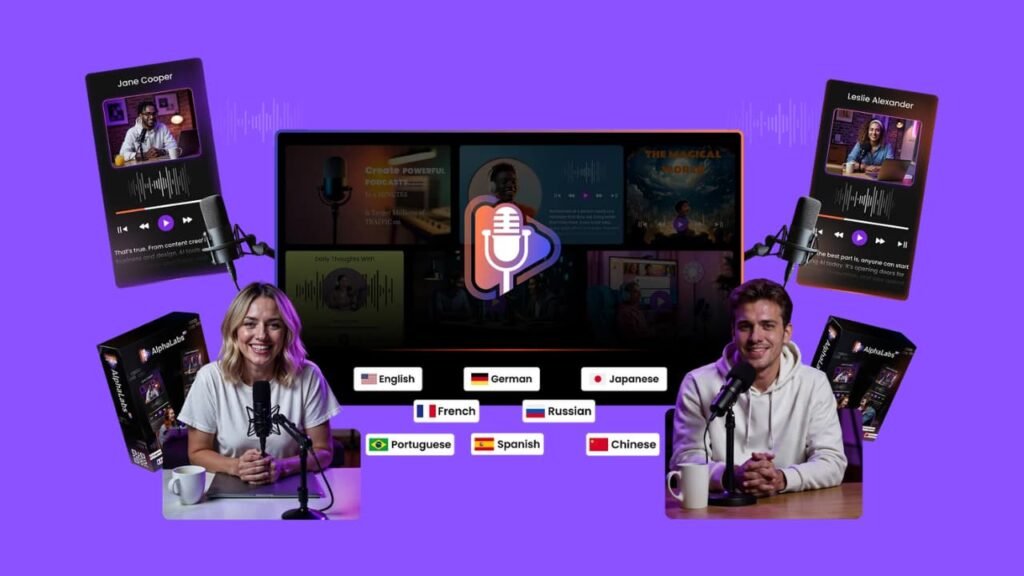
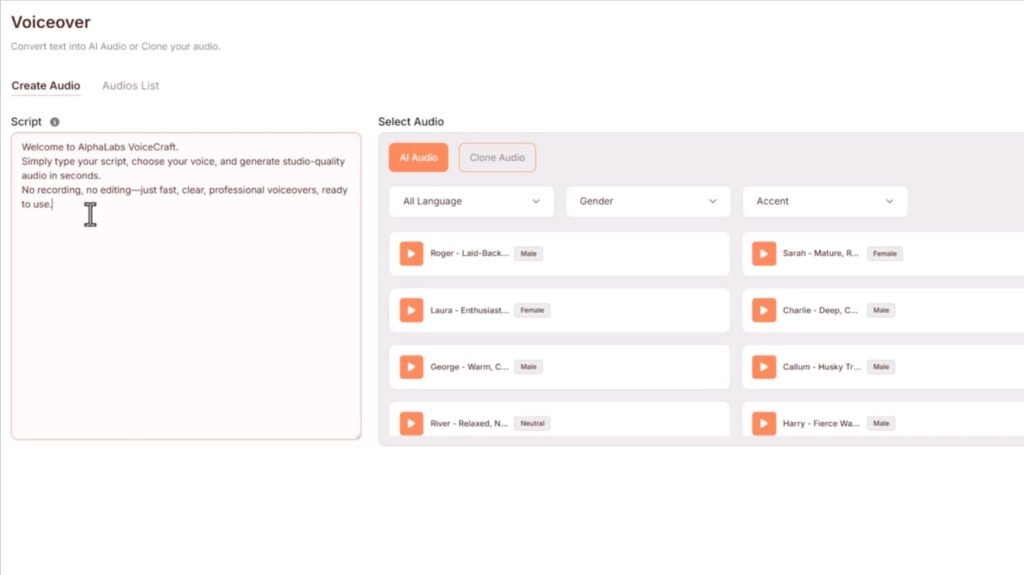
AlphaLabs AI is built for people who want the end result without the hard parts. You paste text, pick a voice, add emotion, and you get a podcast-style audio file. It also pushes the “faceless” angle hard. No camera. No recording. No audio tools to learn.
From what I saw on the sales page, AlphaLabs AI focuses on three big things:
- Human-like voices with emotion and pacing
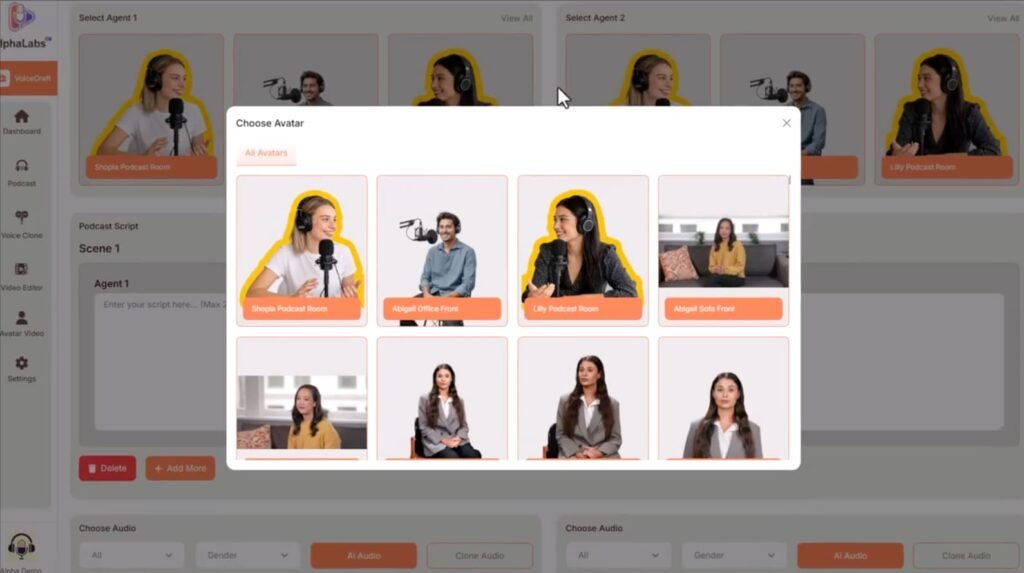
- Multi-speaker conversations, so it can sound like a real talk show
- A simple flow: text in, audio out, ready to post
If you want a tool that turns written content into spoken content fast, this is the core promise.
What Is AlphaLabs AI, Exactly?
AlphaLabs AI is a web app that generates podcast audio from text. You can start with a script, a blog post, notes, or even a rough outline. You pick a voice (or more than one), set the tone, and generate an episode.
It is not a podcast host. It is not a full recording studio. Think of it as an audio maker that helps you produce the “episode file” without you speaking.
The offer also talks about a commercial license, which means you can use it to make audio for clients, not just for your own show. That matters if you plan to sell podcast services or voiceovers.
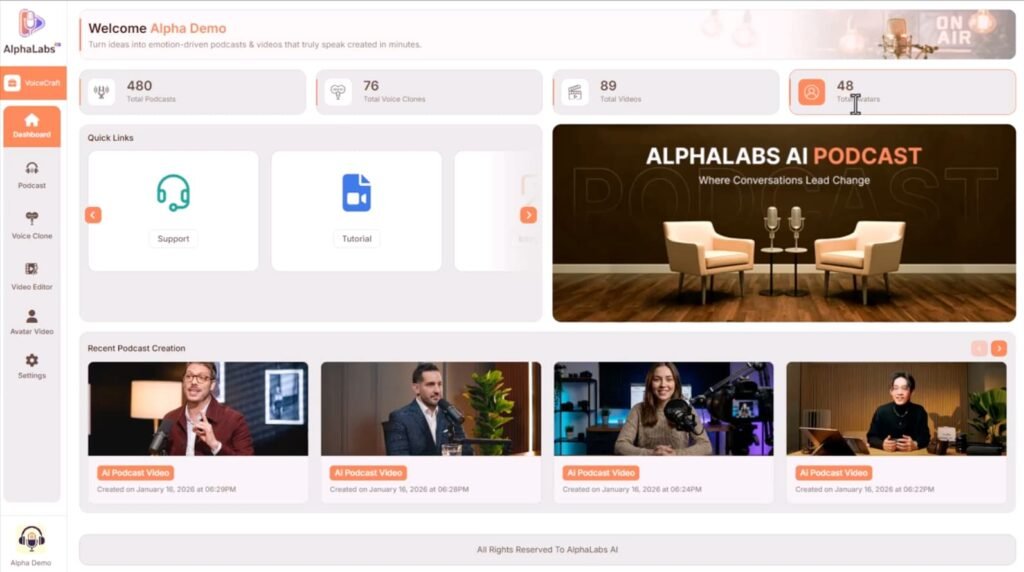
I judge tools like this on one thing first: can I get from idea to output without fighting the interface?
AlphaLabs AI is positioned as beginner-friendly. The flow looks like a simple set of steps: add text, pick voice settings, generate, export. That is what most people want. No clutter, no big learning curve, no twenty tabs that feel made for audio engineers.
Quality, in this case, comes down to two areas:
- Voice quality: tone, pauses, speed, and how “human” it feels
- Output quality: clean audio that does not need hours of extra work
The sales page leans hard into “studio” sound and emotional delivery. In real use, tools like this live or die on pacing. If the voice reads like a robot, listeners leave fast. The focus on emotion and flow is a smart direction.
AlphaLabs AI Review: Demo Video
AlphaLabs AI Pricing Review
AlphaLabs AI is sold in layers. You can start cheap with the Front End, then add upgrades (the OTOS) if you want more volume, more tools, or a done-for-you setup. Here is how I would look at the pricing, in plain terms.
AlphaLabs AI Commercial Front End ($17)
This is the entry plan. It is built for someone who wants to test the core idea: paste text, pick a voice, generate podcast audio.
What you get at this level:
- Text-to-podcast creation with “human-like” delivery (emotion, pauses, flow)
- Voice cloning and faceless podcast creation options
- Multi-speaker conversations for interview-style episodes
- 80+ language support
- Commercial license, so you can create audio for clients and keep the money
- Training included
- A 30-day money-back guarantee is advertised
OTO 1: AlphaLabs AI Unlimited ($77)
This upgrade is all about removing limits. It says “unlimited” across almost everything: generation, text-to-podcast, multi-speaker, voice cloning, emotions, languages, client projects, and commercial use.
Who this is best for:
- Heavy users who plan to publish often (daily clips or frequent episodes)
- Anyone building several shows or niche channels
- Service providers making audio for multiple clients
My practical take: If you already know you will produce a lot of audio, Unlimited is the upgrade that can save you headaches. If you are still testing the tool, start with Front End first, then upgrade only if you hit limits fast.
OTO 2: AlphaLabs AI Studio ($47)
This adds an editing “studio” layer, with a drag-and-drop timeline and tools to turn audio into full shows and even video versions.
The main value here:
- Build complete episodes with intro, segments, outro, transitions
- Add text overlays, quotes, call-to-action buttons, and visuals
- Export in HD/4K and in vertical, square, and wide formats
- Auto-resize for YouTube, Reels, Shorts, Stories
- Subtitles and translation options are listed
Who this is best for:
- People who want podcast-to-video content without using separate editors
- Anyone repurposing one episode into many short clips
- Creators who want a simpler editing setup inside one dashboard
OTO 3: AlphaLabs AI Done For You ($97)
This is the “we set it up for you” offer. It includes preloaded voices, scripts, projects, and help launching monetization.
Who this is best for:
- Absolute beginners who do not want to build from scratch
- Busy creators who want a faster start with less planning
- People who want guidance on niches, CTAs, and offer setup
My take: If you hate setup work and you freeze at the “blank page” stage, DFY can be worth it. If you enjoy building your own format, you probably do not need this.
OTO 4: AlphaLabs AI Traffic ($37)
This is positioned as a traffic system for voice clips and shorts, with automation, captions, hashtags, and “1-click distribution” to many platforms.
Who this is best for:
- People focused on short-form clips and growth
- Anyone who wants help with captions, hashtags, and posting workflows
- Creators who want more reach without spending on ads
What to watch: Any “traffic engine” claims should be treated like tools, not magic. The real win is usually faster posting and better packaging, not guaranteed viral results.
OTO 5: AlphaLabs AI Agency ($67–$97)
This is for running client work at scale, with team members, role access, workspaces, and white-label branding.
Who this is best for:
- Freelancers building a podcast/voiceover service
- Small teams handling many client projects
- Anyone who wants to brand the dashboard as their own
My take: If you plan to do client delivery and need structure, this is the business upgrade. If you are solo and only making content for yourself, you can skip it.
OTO 6: AlphaLabs AI Reseller ($47–$67)
This is the “sell it as your own” license. It includes done-for-you sales assets and they handle tech, updates, and support.
Who this is best for:
- Marketers who want to sell software offers
- People who prefer selling tools over creating content
- Anyone building a software-style income stream
AlphaLabs AI Review: My Bonuses
These bonuses are meant to solve the “okay, now what?” problem. The tool can create the audio, but you still need topics, titles, hooks, and a way to grow or sell. This stack fills those gaps so you can publish faster and also sell your work if that’s your plan.
Bonus #1: 50 High-Paying Podcast Niches
This gives you a short list of niches where money already moves. That matters because a podcast with a clear buyer audience grows faster than a random “talk about anything” show. Use this bonus to pick one niche, then build a simple content plan around it. It also helps if you want clients, because businesses in profitable niches pay for content that brings leads.
Bonus #2: 100 Ready-Made Podcast Episode Ideas
This is your consistency tool. When you don’t know what to post, you stop posting. These ideas keep you moving. The best way to use them is to pick 10 ideas, outline them fast, then batch-generate episodes in one session. You end up with weeks of content ready to go.
Bonus #3: 75 Viral Podcast Clip Hooks
Hooks are the make-or-break part of clips. If the first 2–3 seconds are weak, people scroll. These hooks help you start clips with a punch. You can use them for YouTube Shorts, TikTok, Reels, or even the first 10 seconds of a full episode. One strong hook can lift your watch time a lot.
Bonus #4: 30 Done-For-You Podcast Intro and Outro Scripts
Most beginner podcasts sound messy because they ramble at the start and end. These scripts fix that. A clean intro tells people what the episode is about and why they should stay. A clean outro tells them what to do next. This makes the whole show feel more “real,” even if it is AI-generated.
Bonus #5: 40 Client-Winning Pitch Lines
If you want to sell podcast creation or voice content as a service, this bonus gives you ready lines for DMs, emails, and calls. That saves time and removes the awkward “what do I say?” moment. The goal is simple: start more convos, sound confident, and close faster.
Bonus #6: 100 Ready-to-Use Podcast Titles
Titles drive clicks. This bonus gives you title patterns that trigger curiosity and make people want to tap. Use these as templates, then add your niche keyword so your episodes are easier to find. This also helps on YouTube if you turn episodes into video.
Bonus #7: 25 Monetization Angles for Podcasts
A lot of people only think “sponsors” and quit when they don’t get one. This bonus expands your options: affiliate promos, paid shoutouts, simple offers, lead capture, client services, and more. The big win is having more than one way to get paid, so you don’t depend on a single income source.
Bonus #8: 20 High-Converting CTA Scripts
Most creators avoid CTAs or they do them badly. These scripts help you ask for the next step without sounding weird. Use them to get more subscribers, email signups, or sales. Swap CTAs based on your goal: grow the show, grow a list, or sell an offer.
Bonus #9: 15 Done-For-You Podcast Cover Design Concepts
Your cover is your first impression. If it looks cheap, people assume the podcast is cheap. These concepts give you directions you can follow in Canva or any design tool. Even if you hire a designer, this bonus helps you explain what you want, so you get a better result.
Bonus #10: 10 Profitable Agency Pricing Models
If you sell this as a service, pricing is a big headache. This bonus gives you pricing structures you can copy. Think per episode, bundles, monthly retainers, and add-ons like clips and video versions. It helps you charge in a way that makes sense and protects your time.
Bonus #11: 7-Step Podcast Growth Blueprint
This is a step plan for growth. Instead of guessing, you follow steps: pick niche, publish a consistent schedule, repurpose clips, improve titles, push distribution, and build audience touchpoints. It is helpful for beginners because it turns “grow a podcast” into a checklist.
Bonus #12: 150 Podcast Description Templates
Descriptions help with search and also help people decide if they should listen. These templates save you time and keep your descriptions structured. You can also plug keywords into them so you show up more often when people search on podcast apps.
Bonus #13: 60 Viral Storytelling Frameworks
This is about retention. Even with a great voice, a boring structure loses people. These frameworks give you a story flow: tension, payoff, reveals, lessons, and cliffhangers. Use them for episodes and clips. Better structure usually means longer listen time.
Bonus #14: 200 Trending Podcast Keywords
This bonus is for discoverability. Keywords help your show show up in searches. Use them inside episode titles, descriptions, and even spoken lines in the first minute if you want the topic to be clear. The smartest move is to pick a small set of keywords and reuse them often, so your show builds topic authority.
Bonus #15: 12 Client Retention Strategies
This is for people doing client work. Getting clients is one thing. Keeping them is where the real money is. These strategies help you keep clients longer, upsell add-ons like clips or video, and set expectations so they stick around. Retainers are the goal here.
AlphaLabs AI Features and Functionality: What You Get and How It Helps
Turn Text Into a Podcast Episode in Minutes
This is the main feature. You write, paste, or upload text, then generate audio.
How it helps:
- You can repurpose blog posts into episodes.
- You can turn product reviews into audio content.
- You can publish more often, since the time cost drops.
This is best for people who already write content. Your writing becomes your “recording.”
Multi-Speaker Conversations for Interview-Style Shows
A lot of AI voice tools sound like a single voice reading a page. AlphaLabs AI pushes the “multi-speaker” angle, which means you can set up two or more voices and format a script like a chat.
How it helps:
- Your episodes can feel like a talk show, not a lecture.
- You can do debate-style content, Q&A, or “host + guest” formats.
- It can hold attention longer than a flat solo read.
This is also useful for story content where you want characters, not one narrator.
Emotion, Direction, and Flow Controls
This is the feature that can make the output feel natural. Emotion controls usually mean you can tell the voice to sound calm, excited, serious, or warm. Flow controls usually mean pauses, emphasis, and pacing.
How it helps:
- Your intro can feel upbeat instead of dull.
- Your story parts can sound tense or curious.
- Your calls to action can sound firm, not awkward.
If these controls work well, you spend less time “fixing” the audio later.
Voice Cloning: Keep the Same Voice Across Episodes
Voice cloning is a big deal for branding. If you can keep one voice that sounds like “your show,” it feels consistent for listeners.
How it helps:
- Your podcast has a stable sound, even if you change topics.
- You can build a brand voice without recording every time.
- Agencies can match a client’s voice style for repeat work.
Practical note: voice cloning also raises trust and consent issues. If you clone a voice, make sure you own the rights to use that voice and you have clear permission.
Multi-Language Output for Wider Reach
The sales page claims support for many languages. Even if you only use a few, language coverage can be a strong edge.
How it helps:
- You can test new markets fast.
- You can repurpose one script into several language versions.
- You can offer language add-ons as a paid service.
This is great for local business content, travel content, and how-to content.
Cloud-Based Use and Simple Export
AlphaLabs AI runs in a browser. That means no installs and no heavy software.
How it helps:
- You can work from any computer.
- You can switch devices without moving files around.
- You can export finished audio and upload it where you want.
This matters if you want a simple workflow: generate, download, publish.
Credits: What Limits Output and How to Plan
AlphaLabs AI uses credits. The page mentions a front-end plan with a set amount of credits, and you can buy more when you run out.
How it helps:
- You can control spend if you treat credits like a budget.
- You can test the tool without overproducing.
What to watch:
- Credits can feel fine at first, then tight once you publish often.
- Long episodes and multi-speaker scripts can burn more credits.
If you plan to post weekly, build a simple plan: short episodes first, then scale length once you understand credit use.
Training, Support, and Commercial Use
The offer includes training and support, plus a commercial license during the launch period.
How it helps:
- Beginners get a clear start path.
- You can sell services like podcast creation, intros, ads, and voiceovers.
- You can package services as monthly retainers if you target small businesses.
The bonus stack on the page is mostly marketing training. If you like step lists and templates, this can help you launch faster.
AlphaLabs AI vs Similar Tools: Where It Fits
There are two types of “similar tools”:
- Voice tools that create audio from text
- Podcast tools that focus on recording, editing, and remote interviews
AlphaLabs AI sits closer to the first group.
AlphaLabs AI vs ElevenLabs (Text-to-Speech and Voice Clones)
ElevenLabs is known for strong voice output and voice cloning, but it is more of a voice platform than a “podcast builder.”
What AlphaLabs AI does better for some users:
- It frames the workflow around podcast episodes and multi-speaker chats.
- It aims to feel beginner-friendly for podcast-style output.
What ElevenLabs often does better:
- Broader voice ecosystem, deep voice work tools, and mature settings.
If your main goal is “best voice output,” you might compare results side to side. If your goal is “make podcast episodes fast from scripts,” AlphaLabs AI may feel easier.
AlphaLabs AI vs Descript, Podcastle, Riverside (Editing and Recording Tools)
Tools like Descript and Riverside are great when you record real people. They help with editing, filler words, transcripts, and remote recording.
AlphaLabs AI is different:
- You do not record anything.
- You start with text.
If you want real interviews with real voices, use recording tools. If you want a script-driven show, AlphaLabs AI fits better.
Pros and Cons of AlphaLabs AI
Pros
- Fast text-to-audio workflow for podcast episodes
- Multi-speaker format can make episodes feel more alive
- Emotion and pacing controls can improve listen time
- Voice cloning supports brand voice and repeat content
- Browser-based access keeps setup simple
- Commercial license angle supports service selling
Cons
- Credit limits can restrict long-form output
- “Lifetime” access language needs a close read, since it is tied to support and active life of the product
- AI voices can still miss the mark on names, slang, or jokes
- Refund terms look stricter than “no questions asked”
- Some sales copy on the page feels messy and off-topic, which may reduce trust for cautious buyers
User Experiences and Testimonials: What People Seem to Like and Dislike
Public feedback I could see is limited, and a lot of pages online are affiliate-style writeups, so I treat those as noise first.
Still, the same themes show up again and again:
- People like tools that remove the mic, edits, and tech stress.
- People like multi-speaker output because it feels less flat.
- People worry about credits once they try to scale output.
- People care about refunds and support speed, since these offers often run through third-party checkout systems.
So the “real” user story is simple: if the voice quality lands and credits last long enough for your schedule, you will be happy. If you need long episodes every week and you hate credit systems, you may feel boxed in.
Tips and Tricks to Get the Most Out of AlphaLabs AI
Write for the Ear, Not the Eye
A blog post can sound stiff as audio. Shorten sentences. Add pauses. Use simple words. Read it once in your head and cut anything that feels long.
Use a Two-Voice Template
Even if you do not do interviews, a “host + co-host” format can hold attention. One voice asks the question. The other answers. It feels natural.
Keep Episodes Short at First
Start with 5 to 8 minutes. Learn what works. Learn credit use. Then expand.
Add Structure to Every Script
Use a tight format:
- Hook
- What the episode covers
- 3 to 5 main points
- Quick recap
- Clear call to action
This improves retention and makes AI delivery sound more planned.
Build a Reuse Library
Save:
- Your intro script
- Your outro script
- Your mid-roll ad script
- Your voice settings
This saves time and keeps your show consistent.
FAQ About AlphaLabs AI
Do I need a microphone or recording setup?
No. The main point is generating audio from text, so you can skip recording.
Is AlphaLabs AI a podcast host?
It looks like an audio creation tool, not a host. You still upload your audio where you publish your show.
What does “lifetime access” mean here?
The page defines lifetime as the active support and active product life, with an estimate around five years. Read the checkout details so your expectations match the offer.
What happens when I run out of credits?
The page says you can buy more credits. If you plan heavy output, plan for that.
Can I use this for client work?
The offer talks about a commercial license, which is meant for paid client services. Still, review the license terms inside your account.
Is there a refund policy?
A 30-day money-back window is mentioned, but it does not sound like an automatic refund. The page says you need a valid reason and proof you tried the tool.
Conclusion: My Recommendation and Who Should Buy It
AlphaLabs AI is built for one type of person: someone who wants podcast content without recording. If you write scripts, blog posts, or product reviews, this tool can turn your words into audio and help you publish faster.
I like the focus on multi-speaker episodes and emotion controls. Those two areas can lift AI audio from “robot read” to something listeners can sit with. The commercial license angle also makes sense if you want to sell podcast creation as a service.
The main drawbacks are the credit system and the way “lifetime” is defined. I also do not love strict refund language, so I would read the terms before buying.
My best-fit audience:
- Affiliates who want audio reviews without showing their face
- Coaches and creators who already write content and want an audio channel
- Freelancers who want a simple podcast service offer for clients
- Beginners who want a guided start and do not want complex audio tools
If you want real interviews with real voices, look at recording tools instead. If you want script-driven podcasts fast, AlphaLabs AI is aimed right at that job.